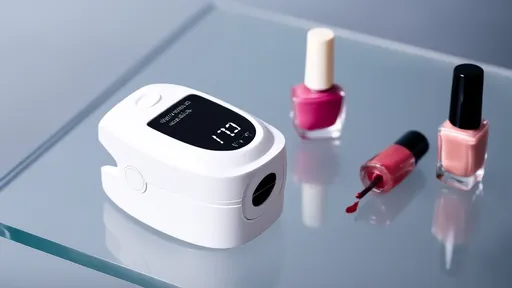
The accuracy of pulse oximeters has long been a critical factor in medical diagnostics, particularly in measuring blood oxygen saturation levels. However, recent discussions have brought attention to an unexpected variable that may interfere with these readings: nail polish. While it may seem trivial, the presence of certain types of nail polish—especially dark or metallic shades—can distort the light absorption patterns that pulse oximeters rely on, leading to potentially misleading results.
Pulse oximeters function by emitting light through the fingertip and measuring how much is absorbed by oxygenated versus deoxygenated blood. This process depends on clear, unobstructed light transmission. Nail polish, particularly opaque or reflective varieties, can alter the light's path, causing the device to misinterpret the data. Studies have shown that deep blues, blacks, and metallic polishes are the most likely to cause significant deviations in readings, sometimes by several percentage points.
Medical professionals have debated the practical implications of this interference. In routine check-ups, a minor discrepancy might not be critical, but in emergency situations or for patients with respiratory conditions, even a small error could lead to misdiagnosis or inappropriate treatment. For instance, a patient with chronic obstructive pulmonary disease (COPD) might receive incorrect oxygen therapy adjustments if their SpO2 readings are artificially lowered due to nail polish.
Interestingly, not all nail polishes have the same effect. Clear or light shades generally cause minimal interference, while gel and acrylic nails—due to their thickness—can exacerbate the problem. Some researchers have suggested that removing polish from the index or middle finger before measurement could mitigate the issue, though this isn’t always practical in fast-paced clinical environments.
The topic has gained traction in both medical circles and consumer health forums, with some advocating for clearer guidelines on nail polish use during oximetry. Manufacturers, meanwhile, have remained relatively quiet on the matter, though a few have updated their user manuals to recommend polish-free fingertips for optimal accuracy. Until standardized protocols are established, the responsibility falls on healthcare providers to be aware of this potential pitfall.
Beyond nail polish, other factors like skin pigmentation, cold extremities, and even ambient light can also skew pulse oximeter results. This underscores the importance of interpreting readings in context rather than in isolation. For now, the nail polish dilemma serves as a reminder of how seemingly insignificant details can have outsized impacts in medicine.
As wearable health tech becomes more prevalent, with devices like smartwatches incorporating SpO2 sensors, this issue may extend beyond clinical settings. Consumers using these gadgets for personal health monitoring should consider whether their fashion choices might be compromising the data they rely on. The intersection of aesthetics and medical technology is rarely straightforward, but in this case, it’s clear that a coat of polish might carry more weight than expected.

By /Aug 6, 2025
By /Aug 6, 2025
By /Aug 6, 2025
By /Aug 6, 2025

By /Aug 6, 2025

By /Aug 6, 2025
By /Aug 6, 2025

By /Aug 6, 2025

By /Aug 6, 2025
By /Aug 6, 2025
By /Aug 6, 2025

By /Aug 6, 2025
By /Aug 6, 2025

By /Aug 6, 2025
By /Aug 6, 2025

By /Aug 6, 2025

By /Aug 6, 2025

By /Aug 6, 2025

By /Aug 6, 2025

By /Aug 6, 2025
